



TLDR: Christmas should be magical, not stressful. This comprehensive guide from Quickquotes 4u reveals 25 common Christmas mistakes that can ruin your holidays—from budget pitfalls and decorating disasters to gift-giving blunders and party etiquette fails. Learn how to avoid overspending, overdecorating, last-minute panic, and holiday burnout. Whether you’re planning Christmas 2025 or looking to improve your holiday traditions, these practical tips will help you create a stress-free, memorable celebration without breaking the bank or losing your sanity.
Table of Contents
Why Do We Keep Making Christmas Mistakes?
The holiday season brings immense joy, but it also brings unprecedented pressure. Between trying to please everyone, managing tight budgets, and keeping up with picture-perfect Pinterest boards, many of us fall into common traps that transform Christmas from a celebration into a source of anxiety.
Recent surveys reveal concerning trends: studies show that a significant portion of families save nothing for Christmas gifts and plan to take on debt to cover holiday expenses. Meanwhile, others report that half of holiday shoppers end up buying themselves gifts, busting their carefully planned budgets.
At Quickquotes 4u, we believe Christmas mistakes don’t have to be inevitable. This comprehensive guide covers 25 things not to do on Christmas, organized into five essential categories: planning and budgeting, decorating, gift-giving, social situations, and emotional wellbeing. By avoiding these holiday mistakes that ruin Christmas, you’ll reclaim the joy of the season and create meaningful memories without the January financial hangover.
Planning & Budget Mistakes
1. Starting to Plan Too Late
One of the most common last minute Christmas mistakes to avoid is procrastination. Waiting until December to start planning creates unnecessary stress, limits your options, and often leads to impulse purchases at inflated prices.
Solution: Begin planning right after Thanksgiving or even earlier. Create lists, set budgets, and start shopping for deals throughout the year. Early planning gives you leverage to find the best prices and avoid the holiday rush.

2. Not Setting a Realistic Christmas Budget
Among the biggest Christmas budget pitfalls is failing to establish clear spending limits before shopping begins. Without a defined budget, it’s remarkably easy to overspend by hundreds or even thousands of dollars.
Solution: Calculate what you can realistically afford before planning anything else. Financial experts recommend allocating approximately one to two percent of your annual income for holiday expenses. Set a total spending cap and stick to it religiously.
3. Forgetting Hidden Christmas Costs
Many people budget for gifts but completely forget about the countless other expenses: wrapping paper, decorations, extra groceries, holiday cards, postage, party contributions, travel costs, and baking ingredients. These “hidden” costs can add hundreds to your total.
Solution: Create a comprehensive budget that includes all Christmas categories, not just gifts. Account for decorations, food, entertainment, travel, cards, and a buffer for unexpected expenses.


4. Holiday Overspending Without a Repayment Plan
Taking on debt during Christmas without understanding how you’ll pay it off is a recipe for January regret. Credit card interest can turn a $500 holiday into a $750 burden that lasts for months.
Solution: If you must borrow, have a concrete repayment plan before you charge anything. Better yet, set up a monthly Christmas savings fund throughout the year. Saving just $85 per month gives you over $1,000 for the holidays without any debt.
5. Ignoring Sustainable and Eco-Friendly Planning
In 2025, sustainable Christmas decor mistakes are becoming increasingly recognized. Buying excessive disposable decorations, non-recyclable wrapping paper, and cheap plastic items that end up in landfills contradicts growing environmental awareness.
Solution: Invest in quality, reusable decorations. Choose recyclable or fabric gift wrap, buy from local artisans, and consider eco-friendly Christmas mistakes you can avoid by shopping thoughtfully. Your wallet and the planet will thank you.
Decorating Mistakes
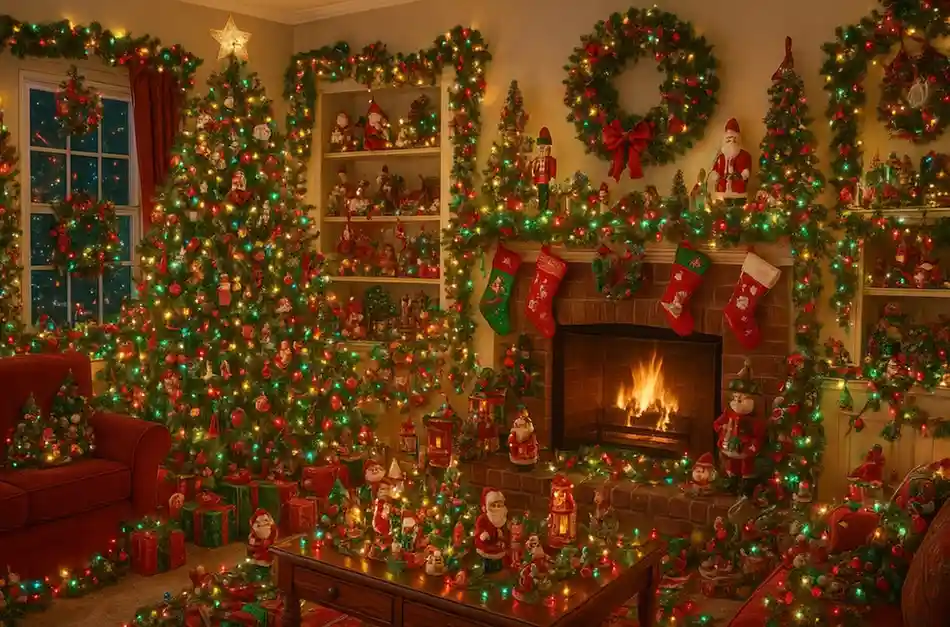
6. Overdecorating Every Corner of Your Home
While enthusiasm is wonderful, overdecorating Christmas tree and every surface creates visual chaos rather than festive charm. Too many decorations can make spaces feel cluttered and overwhelming instead of cozy and inviting.
Solution: Embrace the “less is more” philosophy. Choose focal points like the tree, mantel, and entryway. Create cohesive displays with intentional spacing rather than covering every available surface.

7. Choosing Décor That Clashes With Your Home’s Style
One of the most common Christmas decorating mistakes is selecting decorations that completely contradict your home’s aesthetic. Ultra-modern metallic ornaments look out of place in a rustic farmhouse, just as traditional country décor feels awkward in a contemporary minimalist space.
Solution: Select decorations that complement your existing interior design. Contemporary homes might embrace non-traditional colors like icy blues or metallics, while traditional spaces shine with classic reds, greens, and timeless patterns.
8. Buying a Cheap, Low-Quality Artificial Tree
Skimping on an artificial Christmas tree is a false economy. Lower-quality trees have sparse, spindly branches that look obviously fake and often need replacing within a few years.
Solution: Invest in a high-quality artificial tree with realistic PE (polyethylene) needles rather than flat PVC strips. A better tree costs more upfront but lasts 10-15 years, ultimately saving money while looking beautiful.
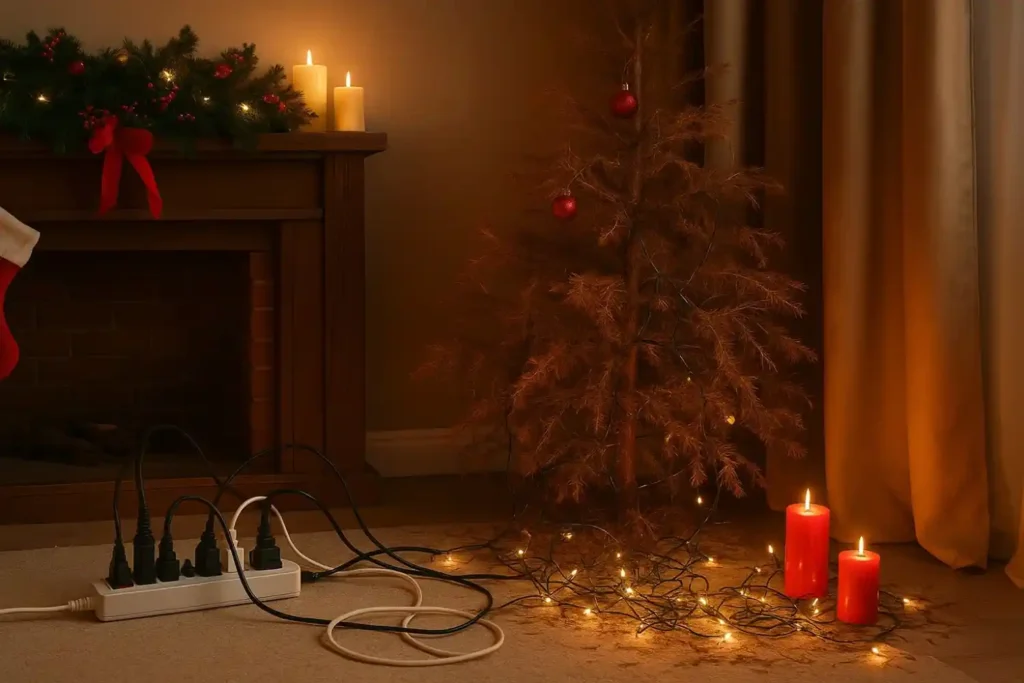
9. Creating Fire and Safety Hazards
Among the most dangerous Christmas decor errors are overloaded power strips, candles near flammable materials, and dry Christmas trees. These power strip hazards and fire risks send thousands to emergency rooms annually.
Solution: Never overload outlets, keep fresh trees well-watered, use flameless LED candles, and unplug decorative lights before bed. Test smoke detectors and keep a fire extinguisher accessible.
10. Impulse Buying Decorations Without a Plan
Walking into stores and buying whatever catches your eye leads to decorating decor faux pas—mismatched styles, duplicate items, and decorations that don’t coordinate with anything you already own.
Solution: Create a decoration plan before shopping. Choose a color palette and style, inventory what you already have, and make a targeted shopping list. Take photos of your spaces and reference them while shopping.
11. Using Wrong Color Combinations
While red and green are classic, blindly following tradition without considering your home’s palette creates visual discord. Wrong color combinations can make beautifully decorated spaces look garish rather than elegant.
Solution: Choose holiday colors that harmonize with your existing décor. If your home features cool tones, consider silver, white, and icy blue. Warm-toned spaces might look better with burgundy, gold, and cream.
12. Neglecting Natural or Cohesive Elements
Rooms filled entirely with artificial decorations often feel cold and commercial rather than warm and inviting. The lack of natural elements misses opportunities for authentic holiday charm.
Solution: Incorporate natural materials like pine cones, fresh evergreen branches, cinnamon sticks, and dried oranges. These elements add texture, wonderful scents, and organic beauty that artificial items cannot replicate.
Gift-Giving Mistakes
13. Last-Minute Impulse Gift Shopping
When you wait until December 24th, you’re forced to buy whatever’s available rather than what’s meaningful. These last minute Christmas planning errors result in generic, thoughtless gifts that recipients rarely appreciate.
Solution: Shop throughout the year when you find perfect items on sale. Keep a running gift list on your phone and act on inspiration when it strikes, not when desperation sets in.

14. The Regifting Faux Pas
Regifting within the same social circle is among the most embarrassing Christmas gift mistakes. Nothing creates awkwardness faster than giving someone the scarf they gave you last year or that your mutual friend originally purchased.
Solution: If you must regift, do so only with items in perfect condition, original packaging, and people completely outside the original gift-giver’s social circle. Better yet, donate unwanted gifts and buy something thoughtful.
15. Overspending to “Keep Up” or Impress Others
Holiday overspending driven by competition or insecurity puts tremendous financial strain on families. Spending beyond your means to match others’ gift budgets creates debt that damages your financial wellbeing for months.
Solution: Remember that the most meaningful gifts aren’t the most expensive ones. Set spending limits openly with family and friends. Focus on thoughtfulness over price tags. Many families successfully implement Secret Santa or name-drawing systems to reduce financial pressure.
16. Buying Gifts Nobody Wants or Needs
Generic candles, random ornaments, and one-size-fits-none gifts waste money and create clutter. These thoughtless purchases end up donated, regifted, or stuffed in closets.
Solution: Pay attention year-round to what people actually want or need. Ask for wish lists. Consider experiences like concert tickets or cooking classes. Homemade gifts infused with genuine effort often mean more than store-bought items.


17. Over-Personalizing or Under-Personalizing
Finding the balance in Christmas mistakes in gift giving is tricky. Giving someone a mug with an inside joke only you understand is as problematic as giving identical generic gifts to everyone.
Solution: Personalize thoughtfully by considering genuine interests and needs. A cookbook for someone who hates cooking or sports equipment for a non-athlete shows you haven’t paid attention.
18. Ignoring Sustainable Gifting Options
Contributing to environmental damage through excessive packaging, cheap disposable toys, and fast-fashion items represents growing eco-friendly Christmas mistakes awareness in 2025.
Solution: Choose quality over quantity, shop from sustainable brands, use reusable gift wrap, and consider experiential gifts that create memories without material waste.
Party & Social Mistakes
19. Arriving Too Early or Staying Too Late
These etiquette mistakes create uncomfortable situations for hosts. Arriving before the host is ready disrupts preparations, while overstaying your welcome turns a pleasant evening into an exhausting marathon.
Solution: Arrive within 15 minutes of the stated time (fashionably late is 10-15 minutes, not 45). Watch for cues that the party is winding down and graciously depart. A good rule is leaving by 10:30-11:00 PM for evening parties unless specifically told otherwise.
20. Bringing Unrequested Food or Plus-Ones
Among common Christmas party mistakes, showing up with unexpected guests or food that doesn’t fit the planned menu creates logistical nightmares for hosts who carefully planned seating and portions.
Solution: Always ask before bringing anyone not explicitly invited. If you want to contribute food, ask what’s needed. When bringing wine or dessert, understand it’s a host gift, not necessarily for that meal.
21. Holiday Overindulgence
Overindulging in food and especially alcohol at holiday parties leads to embarrassing behavior, uncomfortable mornings, and damaged professional relationships if it’s a work event.
Solution: Pace yourself, alternate alcoholic drinks with water, eat before drinking, and know your limits. The holidays last weeks—you don’t need to consume everything at every event.


22. Forgetting the Host Gift
Showing up empty-handed to someone’s home, especially for a dinner party, demonstrates poor manners and lack of appreciation for their effort and expense.
Solution: Bring a thoughtful small gift: a nice bottle of wine, gourmet chocolates, a beautiful candle, or flowers. Even a heartfelt thank-you card shows appreciation.
23. Engaging in Divisive Conversations
Bringing up contentious political topics, family drama, or controversial subjects at holiday gatherings ruins the festive atmosphere and creates tension that lasts beyond the party.
Solution: Keep conversations light, positive, and inclusive. Focus on shared experiences, happy memories, and neutral topics. Save heavy discussions for private, appropriate times.
24. Not Respecting Dietary Restrictions
Pressuring guests to “just try” foods they’ve told you they can’t eat due to allergies, religious reasons, or health conditions is inconsiderate and potentially dangerous.
Solution: Ask about dietary needs when inviting guests. Label dishes clearly and provide alternatives. Never pressure anyone to eat something they’ve declined.
Emotional & Self-Care Mistakes
25. Trying to Please Everyone and Creating Holiday Burnout
The biggest mistake people make at Christmas is attempting to fulfill every expectation—attending every party, buying the perfect gifts, cooking elaborate meals, and maintaining Pinterest-perfect decorations. This pursuit of perfection leads to Christmas stress and panic that ruins the joy you’re trying to create.
Solution: Set realistic expectations and boundaries. It’s okay to skip some events, simplify traditions, or say no to requests. Protect your mental health by scheduling downtime, maintaining basic self-care routines, and remembering that rest isn’t selfish—it’s necessary.
Not Planning for Alone Time or Mental Rest
The constant social demands, shopping chaos, and family obligations drain even the most extroverted individuals. Ignoring self-care in the festive rush contributes to exhaustion and resentment.
Solution: Build buffer days into your calendar. Schedule quiet mornings, solo walks, or reading time. Take breaks from social media if comparison is creating pressure. Remember that saying no to protect your wellbeing allows you to show up better when you do say yes.
Neglecting Your Own Needs to Focus on Others
Martyring yourself by working nonstop to create the “perfect” Christmas for others while ignoring your exhaustion, hunger, or emotional needs creates burnout and bitterness.
Solution: You cannot pour from an empty cup. Maintain regular sleep schedules, eat properly, exercise, and do activities you enjoy. A well-rested, happy you creates better memories than an exhausted, resentful you with perfect decorations.
Frequently Asked Questions (FAQs)
What are the most common Christmas mistakes people make?
The most frequent mistakes include failing to set realistic budgets, starting planning too late, overspending on gifts to keep up with others, overdecorating without a cohesive plan, creating fire hazards with decorations, buying low-quality artificial trees, last-minute impulse shopping, neglecting self-care, and trying to please everyone instead of setting healthy boundaries.
How can I avoid overspending at Christmas?
Set a total budget before any shopping begins, typically one to two percent of annual income. Break this down by category (gifts, food, decorations, travel). Save monthly throughout the year in a dedicated Christmas fund. Use the envelope method with cash. Agree on spending limits with family and friends. Consider Secret Santa for extended family to reduce gift obligations. Track every expense and stop when you hit your limit.
What should I NOT do on Christmas Day to stay stress-free?
Don’t overcommit to attending multiple events or hosting elaborate meals beyond your capacity. Avoid comparing your celebration to others on social media. Don’t skip meals, rest, or self-care. Refrain from excessive alcohol consumption. Don’t engage in controversial conversations that create family tension. Avoid last-minute shopping or preparations. Most importantly, don’t sacrifice your mental health trying to create “perfection.”
How do I plan Christmas so I don’t make mistakes?
Start planning in September or October. Create comprehensive budgets covering all categories, not just gifts. Make detailed lists of recipients, meals, and decorations needed. Shop throughout the year for sales. Communicate openly with family about expectations and financial boundaries. Schedule both activities and rest days on your calendar. Build in buffer time for unexpected situations. Review and learn from previous years’ challenges.
What are the biggest Christmas decorating mistakes to avoid?
Avoid overloading power strips (fire hazard), buying decorations without a cohesive color scheme, choosing styles that clash with your home, overdecorating every surface, using low-quality artificial trees, neglecting safety considerations, impulse buying without a plan, forgetting natural elements, and selecting tree sizes inappropriate for your space.
Is it wrong to regift Christmas presents?
Regifting can be acceptable if done thoughtfully: the item is new and in perfect condition, you’re giving it to someone who would genuinely appreciate it, the recipient is completely outside the original gift-giver’s social circle, and you remove any personalization. However, regifting within close social groups often creates embarrassing situations and hurt feelings.
How can I set a realistic Christmas gift budget?
Calculate your total available holiday funds, then list everyone you plan to buy for. Divide your gift budget by the number of recipients to get an average per-person amount, adjusting based on relationships (closer family might receive more, distant colleagues less). Don’t forget to reserve funds for wrapping supplies, cards, and unexpected gifts. Communicate these limits with family members to manage expectations.
What Christmas party etiquette mistakes should I avoid?
Never arrive more than 15 minutes late or before the start time, don’t bring unexpected guests without asking, avoid overindulging in alcohol, always bring a small host gift, don’t monopolize the host’s time, refrain from divisive conversations, respect others’ dietary restrictions, read cues about when to leave, and always send a thank-you message afterward.
How do I avoid holiday burnout during Christmas?
Set realistic expectations rather than pursuing perfection. Learn to say no to some invitations and obligations. Schedule downtime and protect it as seriously as social commitments. Maintain basic self-care: adequate sleep, regular meals, exercise, and activities you personally enjoy. Limit social media if comparison creates stress. Delegate tasks instead of doing everything yourself. Remember that your wellbeing enables better presence and joy.
What are sustainable Christmas mistakes I should avoid in 2025?
Avoid buying excessive disposable decorations that end up in landfills, choosing fast-fashion items as gifts, using non-recyclable wrapping paper, purchasing cheap plastic toys that break quickly, excessive packaging waste, supporting companies with poor environmental practices, buying items that must be shipped internationally when local options exist, and prioritizing quantity over quality in gifts and decorations.
Conclusion: Creating Your Best Christmas Yet
Avoiding these 25 common Christmas mistakes to avoid—from budget Christmas 2025 planning failures to decorating disasters, gift-giving errors, and self-care neglect—transforms your holiday from stressful to joyful. At Quickquotes 4u, we believe the best holidays balance tradition with practicality, generosity with financial wisdom, and celebration with self-care.
Remember these key principles:
Plan Ahead: Start early, set realistic budgets, and avoid last-minute panic that leads to overspending and poor decisions.
Decorate Thoughtfully: Create cohesive, safe displays that enhance rather than overwhelm your home.
Give Meaningfully: Choose thoughtful gifts within your budget rather than expensive items that strain finances.
Celebrate Graciously: Practice good etiquette, respect boundaries, and create positive social experiences.
Prioritize Wellbeing: Protect your mental health, set boundaries, and remember that your presence matters more than perfection.
The holidays should create lasting joy, not lasting debt or exhaustion. By implementing these strategies for avoiding holiday mistakes that ruin Christmas, you’ll create celebrations that feel magical without the stress.
Share this guide with friends and family so everyone can avoid these common pitfalls together. Save it as your holiday planning checklist for stress-free Christmas celebrations this year and beyond!